
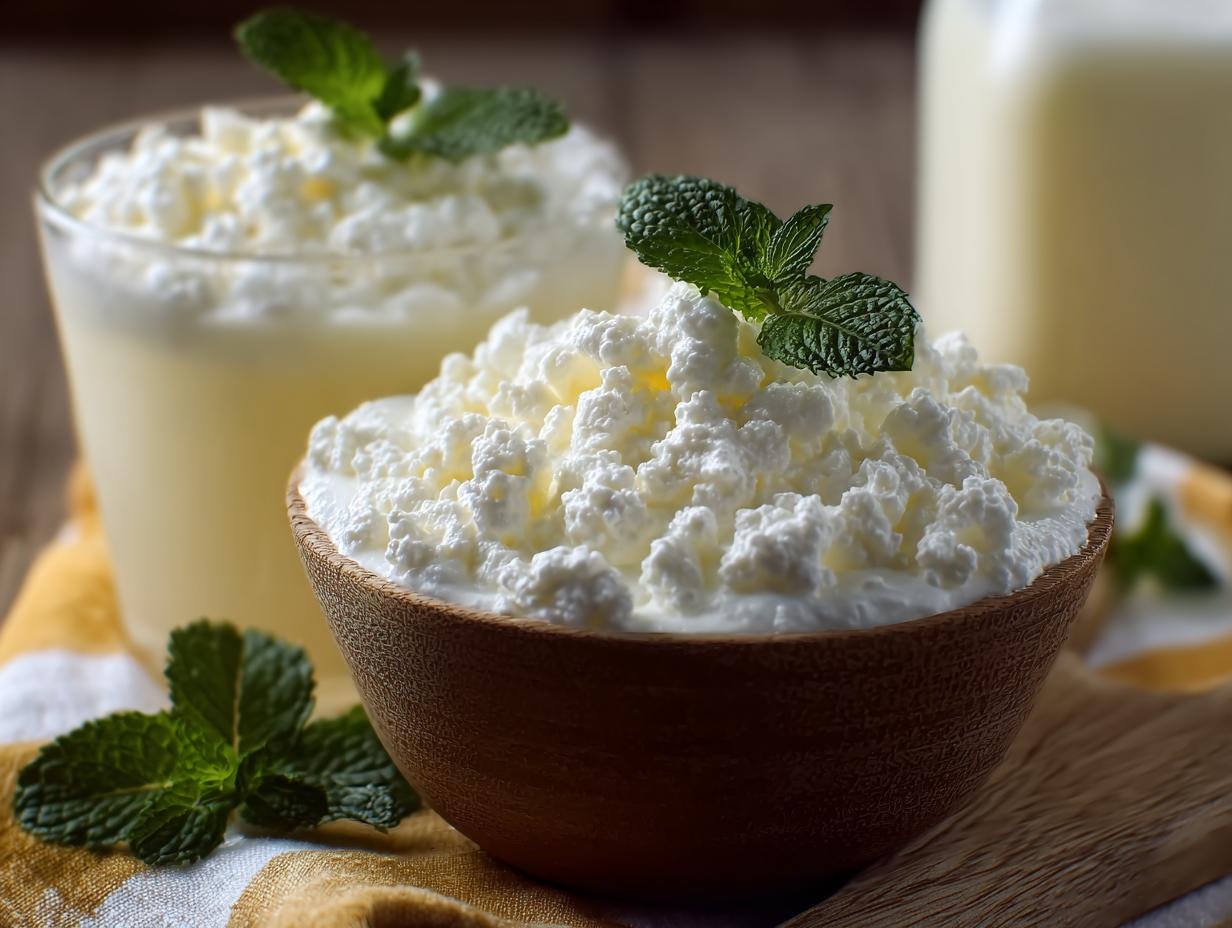
The cottage cheese industry has always fascinated me, especially as I’ve explored the dairy aisle and seen the sheer variety available. I remember my first time making cottage cheese at home; the transformation of simple milk into creamy, luscious curds felt like magic. The aroma of warm milk filled my kitchen, a comforting scent that still brings me back to that moment of discovery. Understanding the cottage cheese market has given me a new appreciation for this humble dairy product and its significant economic impact. It’s a journey from farm to table that’s both delicious and insightful. Let’s dive into making our own!
Why You’ll Love the Cottage Cheese Market
Exploring the cottage cheese market reveals just how versatile and beneficial this dairy staple truly is. You’ll find it’s a fantastic addition to your diet for so many reasons:
- It’s packed with protein, keeping you feeling fuller for longer.
- Its creamy texture makes it a delightful base for both sweet and savory dishes.
- You can easily customize the flavor profile with your favorite herbs, fruits, or spices.
- The dairy industry cottage cheese sector offers a wide range of options, from small-batch artisanal to widely available brands.
- It’s a relatively low-cost way to boost your protein intake compared to other sources.
- Homemade versions, like the one we’re making, offer unparalleled freshness and control over ingredients.
- The cottage cheese market is constantly innovating, bringing exciting new flavors and formats.
- It’s a key product in the dairy industry cottage cheese landscape, showing steady growth.
Ingredients for Homemade Cottage Cheese
Making your own cottage cheese is surprisingly simple and rewarding, allowing you to appreciate the fundamental cottage cheese production processes. Here’s what you’ll need to create this creamy delight:
- 1 gallon whole milk – This is the absolute foundation; using whole milk ensures the richest flavor and creamiest texture, a key factor in quality cottage cheese.
- 1/2 cup white vinegar or lemon juice – The acid is crucial for curdling the milk. I prefer vinegar for a cleaner taste, but lemon juice works wonderfully too.
- 1 teaspoon salt – Just a touch of salt enhances the natural milky flavor and balances the tanginess.
- 1/4 cup heavy cream (optional) – For that extra decadent richness after draining, a splash of heavy cream makes the finished curds incredibly smooth.
How to Make Cottage Cheese
- Step 1: Get your equipment ready. Ensure all your pots, spoons, and the strainer lined with cheesecloth are sparkling clean. This is a basic but vital step in all cottage cheese production processes.
- Step 2: Pour the 1 gallon whole milk into a large, heavy-bottomed pot. Gently heat the milk over medium heat, stirring occasionally to prevent it from sticking or scorching on the bottom. Aim for a temperature of 190°F (88°C). You’ll see it steaming and small bubbles forming around the edges, but it shouldn’t boil.
- Step 3: Once the milk reaches 190°F, remove the pot from the heat. Slowly and gently stir in the 1/2 cup white vinegar or lemon juice. You should see the milk begin to curdle almost immediately, separating into white curds and yellowish whey. Let the pot sit undisturbed for about 10 minutes. This resting period is crucial for the curds to fully form, a technique that has been refined through various cottage cheese manufacturing trends.
- Step 4: Prepare a large bowl and place a fine-mesh strainer over it. Line the strainer with a few layers of cheesecloth, ensuring there’s some overhang. Carefully ladle the curds from the pot into the cheesecloth-lined strainer. Let them drain for about 5 to 10 minutes, allowing the whey to drip into the bowl below.
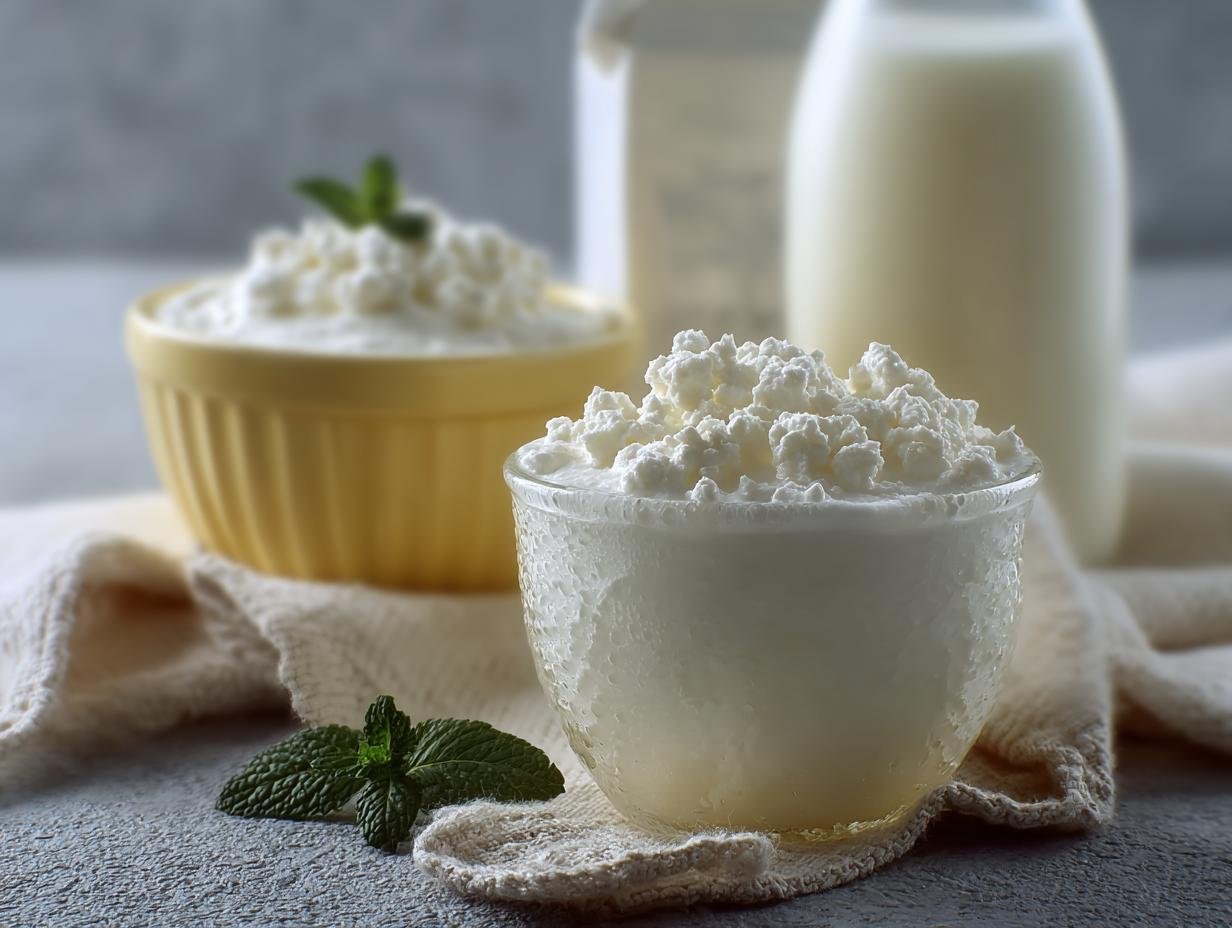
- Step 5: Once the curds have drained sufficiently, gently rinse them under cold running water. This step helps to wash away any residual acidity from the vinegar or lemon juice, leading to a cleaner, milder flavor profile, which is a subtle but important aspect of modern cottage cheese manufacturing trends. Gently press the curds in the cheesecloth to remove any excess moisture.
- Step 6: Transfer the drained curds to a clean bowl. Stir in the 1 teaspoon salt and, if you desire extra richness, the 1/4 cup heavy cream. Gently fluff the curds with a fork until they are creamy and well combined.
- Step 7: Your homemade cottage cheese is ready! Serve it chilled, either plain or with your favorite toppings. The texture should be soft and creamy, a testament to successful cottage cheese manufacturing trends.
Pro Tips for the Best Cottage Cheese
Elevating your homemade cottage cheese is all about a few key techniques that make a big difference. I’ve found these tips really help achieve that perfect texture and taste, reflecting some of the best practices in the cottage cheese industry.
- Use a good quality, non-ultra-pasteurized whole milk for the creamiest results.
- Don’t rush the curdling process; letting it sit undisturbed is crucial.
- Rinsing the curds is essential to remove excess acidity for a cleaner flavor profile.
- For extra richness, always add the heavy cream after draining and before salting.
What’s the secret to perfect cottage cheese?
The real secret lies in gently heating the milk to the precise temperature and then allowing the curds to form undisturbed. This careful approach is a cornerstone of the business of cottage cheese, ensuring quality and consistency that consumers expect. For more on dairy processing, you can explore resources on preventive controls for human food.
Can I make cottage cheese ahead of time?
Absolutely! You can make cottage cheese up to 24 hours in advance. Store it in an airtight container in the refrigerator. This makes it a fantastic candidate for meal prepping, aligning with cottage cheese industry growth strategies focused on convenience.
How do I avoid common mistakes with cottage cheese?
Avoid over-boiling the milk, as this can make the curds tough. Also, be gentle when draining and rinsing the curds; aggressive handling can break them down too much, affecting the final texture.
Best Ways to Serve Cottage Cheese
Once you’ve mastered making your own creamy cottage cheese, the possibilities for serving are endless! A thorough cottage cheese market analysis often highlights how consumers enjoy it in diverse ways, from breakfast to light lunches. One of my favorite simple pairings is with fresh berries like blueberries or sliced peaches, offering a delightful contrast of sweet and tangy. For a savory twist, try topping it with chopped chives, a sprinkle of black pepper, and a drizzle of olive oil – it’s surprisingly satisfying and perfect for a light meal. Another great option is to use it as a protein-rich filling for stuffed peppers or as a base for a healthy breakfast parfait with granola and fruit. These versatile serving suggestions make homemade cottage cheese a true star in any kitchen. You might also enjoy it with easy avocado toast.
Nutrition Facts for Homemade Cottage Cheese
Making your own cottage cheese is a fantastic way to control exactly what goes into your food. Here are the approximate nutritional values per serving, which is about 1/2 cup:
- Calories: 120
- Fat: N/A
- Saturated Fat: N/A
- Protein: N/A
- Carbohydrates: N/A
- Fiber: N/A
- Sugar: N/A
- Sodium: N/A
Nutritional values are estimates and may vary based on specific ingredients used and the optional addition of cream.
How to Store and Reheat Cottage Cheese
Once you’ve made your delicious homemade cottage cheese, proper storage is key to enjoying it at its best. I always make sure to let it cool completely before transferring it to an airtight container. This simple step is crucial for preventing condensation, which can affect the texture and shorten its shelf life. Stored correctly in the refrigerator, your homemade cottage cheese should stay fresh for about 3 to 4 days. Some enthusiasts even find success freezing it, which can extend its life for up to 3 months, a practice that aligns with cottage cheese industry growth as consumers seek longer shelf-life options. While freezing might slightly alter the texture, it’s still a viable option for preserving your batch. If you choose to freeze it, thaw it overnight in the refrigerator before consuming. Reheating is usually unnecessary as cottage cheese is best served cold, but if you must, a very gentle warming might be possible, though it’s often best to just let it come to room temperature.
Frequently Asked Questions About the Cottage Cheese Industry
What drives the growth of the cottage cheese industry?
Several factors contribute to the robust cottage cheese industry growth. Increased consumer awareness of cottage cheese as a high-protein, low-calorie food is a major driver, appealing to health-conscious individuals. Demand for convenient, ready-to-eat dairy products also plays a significant role, as does the versatility of cottage cheese in various culinary applications. The industry’s ability to innovate with new flavors and formats further fuels its expansion.
How does global cottage cheese production compare across regions?
Global cottage cheese production varies significantly by region. North America, particularly the United States, is a dominant market with established consumption habits. Europe also has a strong presence, with varying production levels across countries. Emerging markets are showing increasing interest as consumer preferences shift towards healthier dairy options. Factors like local dairy farming infrastructure and consumer demand heavily influence regional production volumes. For insights into dairy farming, consider looking into US dairy farming and sustainability.
What are the main challenges facing the cottage cheese industry?
The cottage cheese industry challenges often include managing shelf life, as it’s a perishable product. Competition from other dairy and non-dairy protein sources, as well as fluctuating milk prices, can also impact profitability. Additionally, consumer perception sometimes needs to be addressed, highlighting its versatility beyond a simple breakfast staple. Adapting to evolving consumer tastes and dietary trends is an ongoing challenge.
What are the future trends for the cottage cheese industry?
The future of the cottage cheese industry looks promising, with trends pointing towards more premium and artisanal products. We’re seeing a rise in lactose-free options and plant-based alternatives to cater to diverse dietary needs. Flavor innovation, including savory and spicy varieties, is also expected to continue. Furthermore, a focus on sustainability and transparent sourcing will likely become increasingly important for manufacturers.
Variations of Cottage Cheese You Can Try
Once you’ve mastered the basic recipe, you’ll discover that the cottage cheese market segmentation offers a wide array of delicious variations to explore. These different approaches cater to various tastes and dietary needs, showcasing the adaptability of this dairy favorite. For a sweet treat, you might enjoy a berry crumble.
- Lactose-Free Cottage Cheese: For those with lactose sensitivities, many brands now offer lactose-free versions. These are typically made using the same processes but with added lactase enzymes to break down lactose, making them easier to digest.
- Whipped Cottage Cheese: This popular variation involves blending regular cottage cheese until smooth and creamy. It offers a lighter, more spreadable texture, perfect for dips or as a frosting alternative.
- Savory Cottage Cheese: Infusing cottage cheese with herbs like chives, dill, or parsley, along with a pinch of garlic powder and black pepper, creates a delightful savory option. This is fantastic on toast or as a side dish.
- Sweet Cottage Cheese: For a sweet treat, stir in a touch of honey or maple syrup, some vanilla extract, and fresh fruit like berries or peaches. It’s a healthy and satisfying dessert or breakfast option.
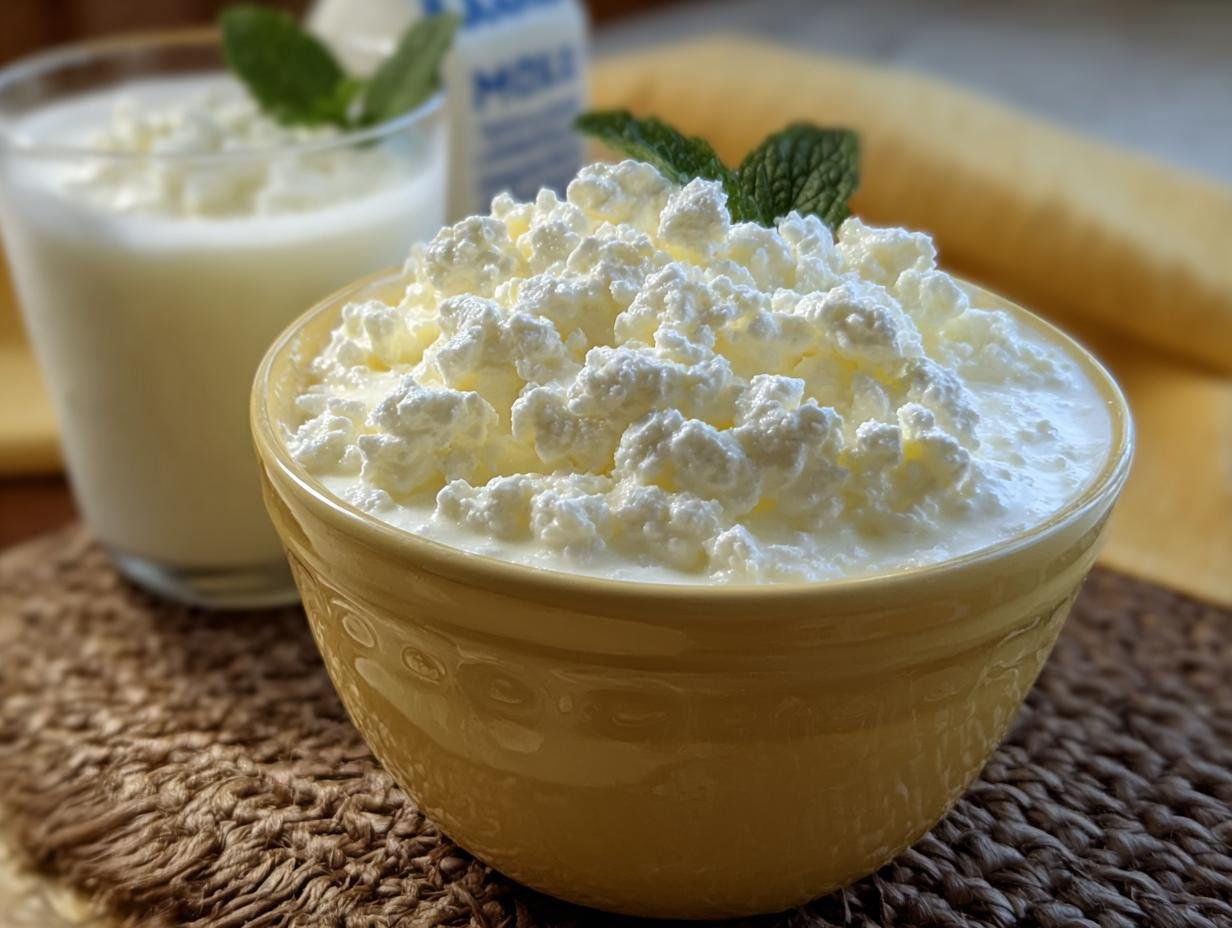
Cottage Cheese Industry: Delicious Homemade Curds

A simple, creamy, and versatile homemade cottage cheese recipe that showcases the essence of dairy craftsmanship, perfect for savory dishes or sweet indulgences. This recipe is inspired by the rich history and developing trends within the cottage cheese industry.
- Prep Time: 5 minutes
- Cook Time: 25 minutes
- Total Time: 30 minutes
- Yield: Approximately 2 quarts
- Category: Dessert
- Method: Stovetop
- Cuisine: American
- Diet: Vegetarian
Ingredients
- Whole Milk: 1 gallon (base of the cheese, rich and creamy)
- White Vinegar or Lemon Juice: 1/2 cup (acid to curdle the milk)
- Salt: 1 teaspoon (enhances flavor)
- Heavy Cream: 1/4 cup (optional, adds richness to finished curds)
Instructions
- Ensure all utensils and pots are clean and ready.
- Pour the milk into a large pot. Slowly heat over medium heat to 190°F (88°C), stirring occasionally to prevent scorching.
- Once at temperature, remove from heat and slowly stir in vinegar or lemon juice. Let sit undisturbed for 10 minutes as curds form.
- Line a strainer with cheesecloth and place it over a bowl. Gently ladle the curds into the strainer and let drain for 5–10 minutes.
- Once drained, rinse the curds under cold water and gently press to remove extra moisture.
- Transfer to a bowl, stir in salt and cream (if using), and fluff gently with a fork.
- Serve chilled, plain, or dressed up with fresh herbs, fruit, or your favorite seasoning.
Notes
- Use whole milk for richer, creamier curds.
- Add vinegar or lemon juice slowly to form curds gently.
- Do not boil the milk—overheating will toughen the curds.
- Rinse curds to remove acidity for a cleaner flavor.
Nutrition
- Serving Size: 1/2 cup
- Calories: 120
- Sugar: N/A
- Sodium: N/A
- Fat: N/A
- Saturated Fat: N/A
- Unsaturated Fat: N/A
- Trans Fat: N/A
- Carbohydrates: N/A
- Fiber: N/A
- Protein: N/A
- Cholesterol: N/A


Leave a Reply