
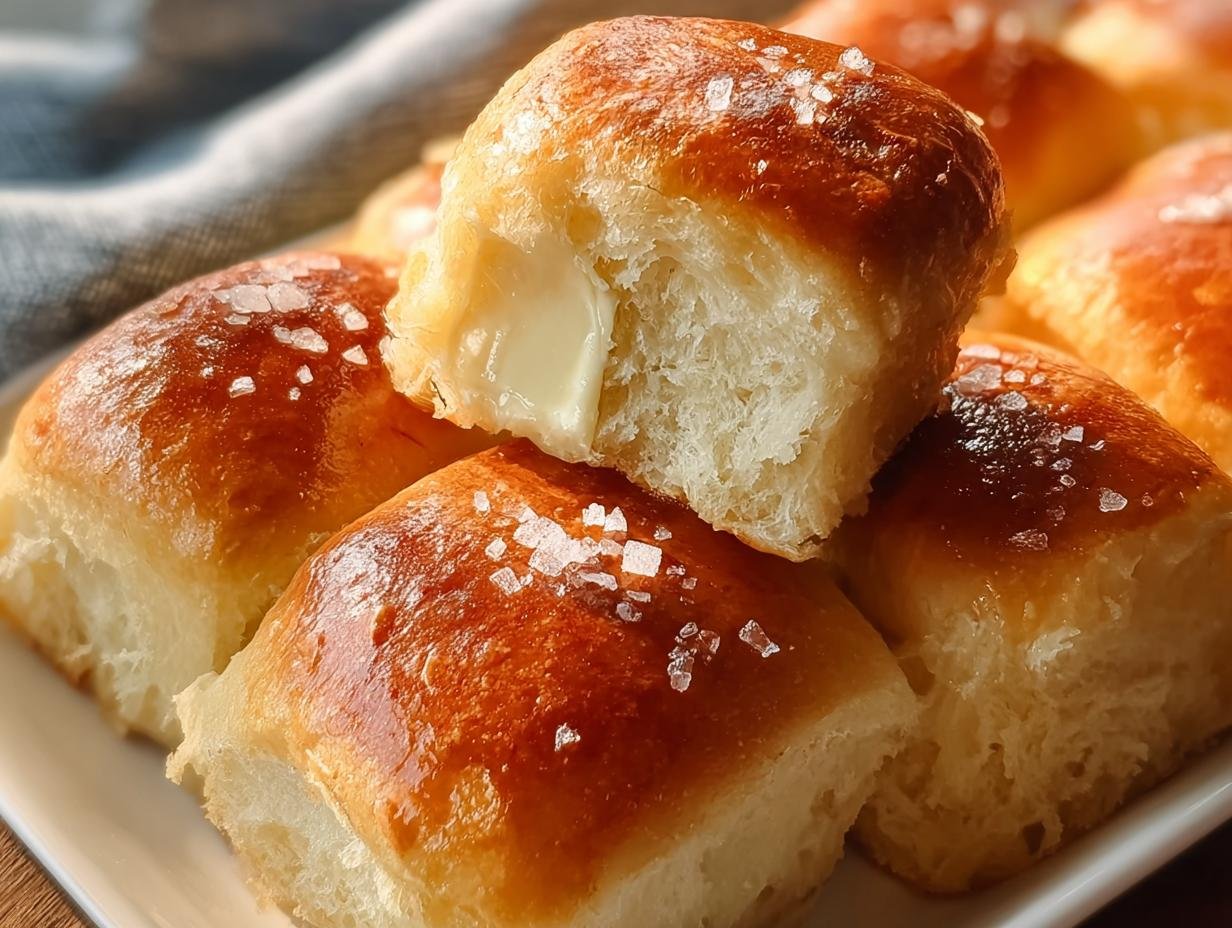
Parker House Rolls have a special place in my heart, and I’m so excited to share this recipe with you! I remember the first time I tried these melt-in-your-mouth, buttery delights at a family gathering – they were unbelievably soft and had that perfect golden hue. Learning how to make these homemade Parker House Rolls felt like unlocking a baking secret. The aroma that fills my kitchen when they’re baking is pure comfort, a sweet and yeasty perfume that promises deliciousness. These aren’t just any rolls; they’re a taste of tradition and pure baking joy. Let’s get these amazing Parker House Rolls into your oven!
Why You’ll Love This Parker House Rolls Recipe
I can’t wait for you to try these amazing rolls! They’re so incredibly rewarding to make and even better to eat. Here’s why you’ll fall in love:
- They are unbelievably soft Parker House Rolls with a tender crumb
- The buttery flavor is simply irresistible
- They look so impressive with their signature folded shape
- This is an easy Parker House Rolls recipe, perfect for beginners
- Enjoy the satisfaction of making delicious homemade Parker House Rolls
- The aroma while baking will make your whole house smell amazing
- They’re versatile enough for holidays or a casual weeknight dinner
- You can even use them for fantastic sliders!
What Exactly Are Parker House Rolls?
So, what exactly are Parker House Rolls? They are a classic American bread, renowned for their incredibly soft texture and rich, buttery flavor. Traditionally, they have a signature folded shape, achieved by a simple yet clever folding technique that gives them a unique appearance. The Parker House Rolls definition points to this distinct look and melt-in-your-mouth quality. Their origin dates back to the Parker House Hotel in Boston, making them a piece of culinary history. This delightful bread offers a tender, slightly sweet Parker House Rolls texture that makes them a favorite for any meal.
Parker House Rolls Ingredients You’ll Need
Gathering your Parker House Rolls ingredients is the first exciting step toward deliciousness! I’ve found that using good quality ingredients really makes a difference in the final flavor and texture. You’ll need:
- 4 cups All-Purpose Flour – this forms the base of our tender rolls
- 1 cup Whole Milk (warm) – crucial for activating the yeast and adding richness
- 1/4 cup Granulated Sugar – feeds the yeast and adds a subtle sweetness
- 2 1/4 teaspoons Active Dry Yeast – the magic behind our fluffy dough
- 1 1/2 teaspoons Salt – balances the sweetness and enhances flavor
- 1/2 cup Unsalted Butter (melted) – for that signature buttery taste and soft texture
- 1 large Egg – adds richness and helps with browning
- 3 tablespoons Butter (for brushing) – for that final touch of glossy, buttery goodness
Make sure your milk is warm, not hot, to properly activate the Parker House Rolls yeast without killing it. This simple step ensures your dough will rise beautifully!
How to Make Parker House Rolls: A Step-by-Step Guide
Ready to learn how to make Parker House Rolls? It’s a straightforward process that yields incredibly rewarding results. Follow these steps, and you’ll have warm, buttery rolls in no time!
- Step 1: First thing’s first, preheat your oven to 350°F (175°C). While the oven heats up, lightly grease a large baking sheet or line it with parchment paper. This prevents any sticking and makes cleanup a breeze.
- Step 2: In a medium bowl, combine the warm milk, sugar, and active dry yeast. Give it a gentle stir and let it sit for about 5-10 minutes until it gets nice and foamy. This tells you the yeast is alive and ready to work its magic. Then, stir in the melted butter, egg, and salt.
- Step 3: Gradually add the flour to the wet ingredients. Mix everything together until a sticky dough begins to form. It might seem a little wet, but trust the process!
- Step 4: Now it’s time to knead the Parker House Rolls dough! You can do this by hand on a lightly floured surface for about 8-10 minutes, or use a stand mixer with a dough hook for about 6-8 minutes. You’re looking for a smooth, elastic dough that springs back when you gently poke it.
- Step 5: Transfer the kneaded dough to a lightly greased bowl. Cover it with plastic wrap or a clean kitchen towel, and let it rise in a warm place for about 1 hour, or until it’s doubled in size. You’ll see it puff up beautifully!
- Step 6: Once the dough has risen, gently punch it down. Roll it out on a lightly floured surface to about a 1/2-inch thickness. Use a round cookie cutter (about 3 inches in diameter) to cut out circles.
- Step 7: Now for the signature fold! Dip a pastry brush in melted butter and lightly brush the top of each circle. Then, fold each circle in half, creating a crescent shape. Place them seam-side down on your prepared baking sheet, leaving a little space between them.
- Step 8: Cover the shaped rolls loosely with plastic wrap or a kitchen towel and let them rise again for about 30 minutes. They’ll puff up nicely.
- Step 9: Preheat your oven to 350°F (175°C). Brush the tops of the risen rolls with more melted butter. Bake for 15–18 minutes, or until they’re a beautiful golden brown. The smell is incredible!
- Step 10: As soon as they come out of the oven, brush them generously with the remaining melted butter. This gives them that gorgeous sheen and extra buttery flavor. Serve them warm and enjoy your perfect homemade Parker House Rolls!
Mastering the Parker House Rolls Dough
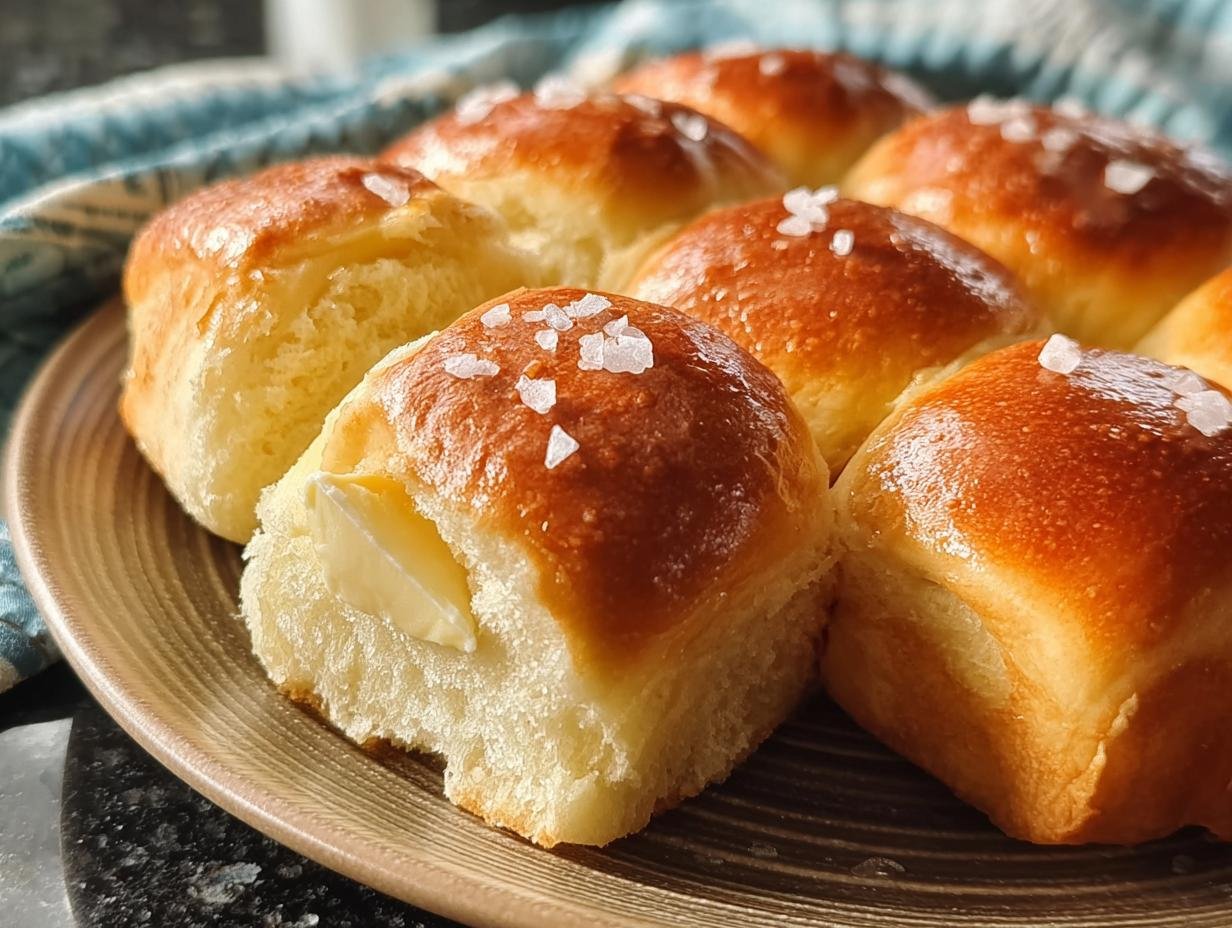
Achieving the perfect Parker House Rolls dough is all about texture and patience. Aim for a dough that’s soft and slightly sticky after kneading, but not overly wet. Proper kneading develops the gluten, giving the rolls their signature soft texture. Allowing the dough to proof fully in a warm spot is crucial for that light, airy lift. For more on baking techniques, check out this guide on the beauty of food.
The Signature Fold: Creating the Classic Shape
The iconic look of Parker House Rolls comes from a simple folding technique. After cutting your dough circles, brush the tops with butter. Then, gently fold each circle in half, creasing it slightly. Placing them seam-side down on the baking sheet allows them to hold their classic, slightly curved shape as they bake.
Pro Tips for the Best Parker House Rolls
To elevate your baking and ensure the most delightful results, here are a few of my favorite tips for making truly exceptional Parker House Rolls:
- Always use good quality, fresh yeast. Expired yeast is the number one culprit for flat, dense rolls.
- Don’t over-flour your dough when kneading. A slightly sticky dough results in softer, more tender rolls.
- Proofing in a slightly warm, draft-free spot is key for getting that perfect airy rise.
- Brushing with melted butter immediately after baking is non-negotiable for that signature sheen and flavor.
What’s the secret to perfect Parker House Rolls?
The secret is twofold: a well-developed Parker House Rolls dough that’s soft and slightly sticky, and that final brush of melted Parker House Rolls butter right out of the oven. This creates that irresistible aroma and glossy finish. For a similar comforting aroma, consider trying easy cinnamon rolls.
Can I make Parker House Rolls dough ahead of time?
Yes! You can refrigerate the kneaded dough overnight after its first rise. Just punch it down, cover tightly, and pop it in the fridge. Let it sit at room temperature for about 30 minutes before shaping.
How do I avoid common mistakes with Parker House Rolls baking?
Avoid using milk that’s too hot, as it can kill the yeast. Also, resist the urge to overbake; they should be golden, not dark brown. Lastly, make sure they have enough space on the baking sheet to rise properly. For more baking tips, you might find information on testing the elements useful.
Best Ways to Serve Your Homemade Parker House Rolls
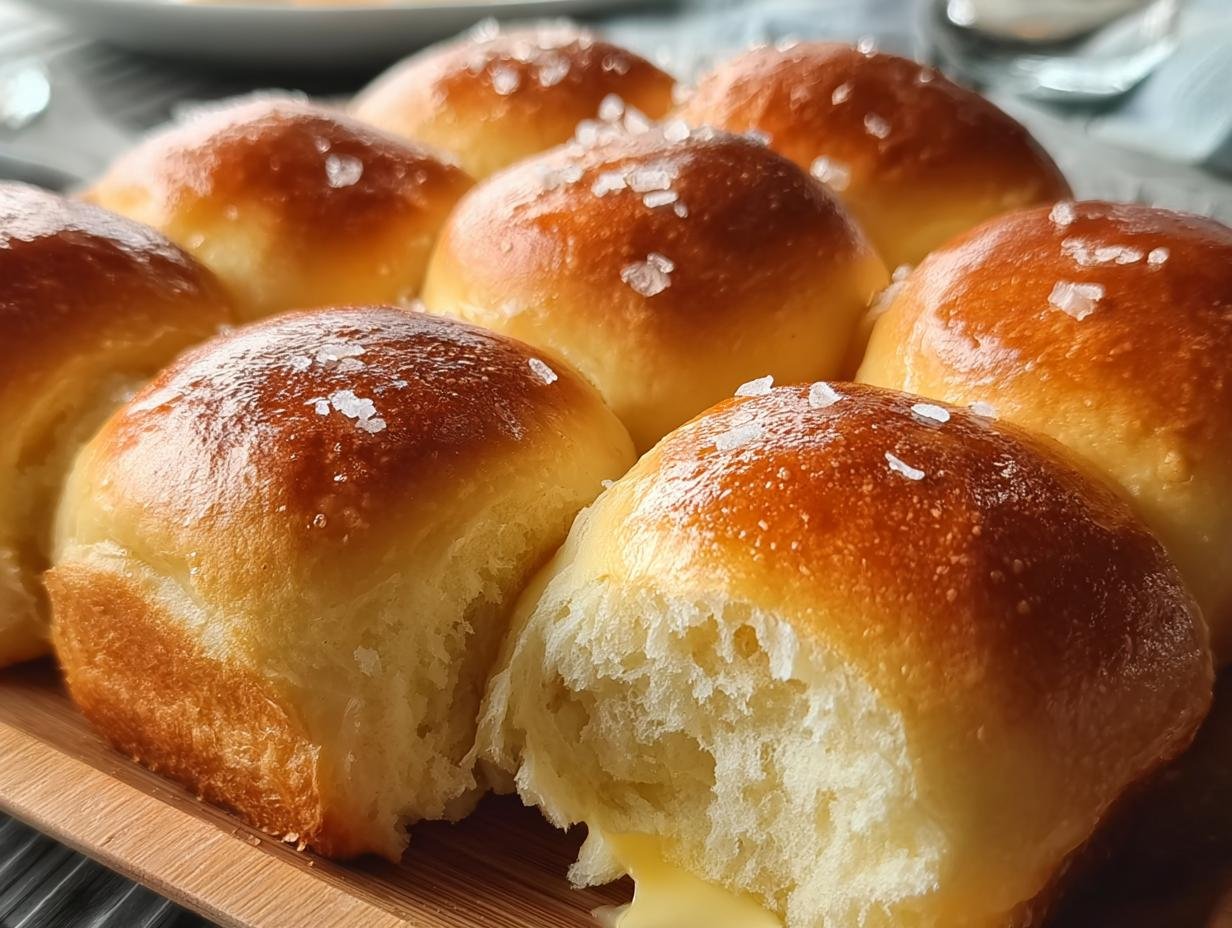
Now that you’ve mastered how to make Parker House Rolls, you’re probably wondering the best ways to enjoy these delightful creations. I love serving them warm right out of the oven, simply brushed with a little extra butter. They make a fantastic accompaniment to almost any meal. For a holiday feast, they’re the perfect addition to your Thanksgiving or Christmas spread, alongside roasted meats and savory stuffing. You could also consider them as part of a cheese board, offering a slightly sweet contrast to sharp cheddar or creamy brie. And if you’re looking for a complete meal idea, think of them as the ideal base for a Parker House Rolls bread recipe-inspired sandwich or a hearty slider! For a different bread experience, try our ciabatta bread.
Parker House Rolls Nutrition Facts
Here’s a look at the nutritional breakdown for these delicious rolls, per serving:
- Calories: 160
- Fat: 7g
- Saturated Fat: 4g
- Protein: 4g
- Carbohydrates: 20g
- Fiber: 1g
- Sugar: 2g
- Sodium: 150mg
Nutritional values are estimates and can vary based on specific ingredients and preparation methods used.
How to Store and Reheat Soft Parker House Rolls
Once your beautiful homemade Parker House Rolls have cooled completely, proper storage is key to keeping them wonderfully soft. I like to place them in an airtight container or a resealable plastic bag. This helps to lock in moisture and prevent them from drying out. Stored this way at room temperature, they’ll stay fresh and delicious for about 3 to 4 days. If you find yourself with too many (though is that ever really a problem?), freezing is an excellent option for longer Parker House Rolls storage. Wrap individual rolls tightly in plastic wrap, then place them in a freezer-safe bag. They’ll keep well for up to 3 months. To reheat, gently warm them in a low oven (around 300°F or 150°C) for a few minutes until they’re toasty and soft again. You can also microwave them for a few seconds, but be careful not to overheat! For another delicious baked good, try our berry crumble.
Frequently Asked Questions About Parker House Rolls
What is the correct Parker House Rolls pronunciation?
It’s quite simple, actually! You say it like “PAR-ker HOSS Rohlz.” Many people find it helpful to remember that “House” is pronounced with a short ‘o’ sound, similar to “hoss,” rather than a long ‘ou’ sound. Don’t worry if you stumble a bit at first; the important thing is you’ll be enjoying these delicious rolls!
Are these Parker House Rolls easy to make?
Absolutely! This recipe is designed to be an easy Parker House Rolls experience, even for beginners. While there are a few steps, none of them are overly complicated. The instructions are clear, and the dough is forgiving. Plus, the result is so worth it – you’ll feel like a pro baker!
What makes Parker House Rolls different from other dinner rolls?
The key distinctions lie in their signature folded shape and their incredibly soft, buttery texture. Unlike some other rolls that might be denser or chewier, Parker House Rolls are known for their melt-in-your-mouth quality. The rich dough, often enriched with milk and butter, contributes to their tender crumb and delightful flavor, making them a truly special treat. For a similar rich flavor profile, consider our pappardelle with beef ragu.
Can I add different flavors to my Parker House Rolls?
You bet! While the classic buttery flavor is divine, you can certainly get creative with Parker House Rolls variations. Try brushing them with garlic herb butter before baking, or even adding a pinch of rosemary or thyme to the dough itself for a savory twist. A sprinkle of sesame seeds or poppy seeds on top before baking also adds a nice touch!
Parker House Rolls Variations You Can Try
Once you’ve mastered the classic Parker House Rolls, you might want to explore some fun Parker House Rolls variations to mix things up! These simple tweaks can transform your familiar favorites into something new and exciting for any occasion.
- Garlic Herb Parker House Rolls: Brush the tops with melted butter mixed with minced garlic, chopped fresh parsley, and a pinch of Italian seasoning before baking. This adds a savory dimension that’s perfect for dinner.
- Whole Wheat Parker House Rolls: For a slightly heartier option, substitute half of the all-purpose flour with whole wheat flour. The texture will be a bit denser, but the flavor is wonderfully nutty.
- Sweet Cinnamon Parker House Rolls: Sprinkle a mixture of cinnamon and sugar over the buttered dough circles before folding. These turn into delightful little sweet rolls, perfect for breakfast or a snack.
- Cheesy Parker House Rolls: Mix about 1/2 cup of shredded cheddar or Parmesan cheese into the dough during the kneading stage. You can also sprinkle cheese on top before baking for an extra cheesy bite.
Parker House Rolls: 4 Amazing Beginner Tips
Classic Parker House Rolls are buttery, soft, and golden brown with a signature folded shape. Perfect for any dinner table, holiday feast, or cozy brunch.
- Prep Time: 20 minutes
- Cook Time: 18 minutes
- Total Time: 1 hour 38 minutes
- Yield: 16 rolls 1x
- Category: Bread
- Method: Baking
- Cuisine: American
- Diet: Vegetarian
Ingredients
- 4 cups All-Purpose Flour
- 1 cup Whole Milk (warm)
- 1/4 cup Granulated Sugar
- 2 1/4 teaspoons Active Dry Yeast
- 1 1/2 teaspoons Salt
- 1/2 cup Unsalted Butter (melted)
- 1 large Egg
- 3 tablespoons Butter (for brushing)
Instructions
- Preheat oven to 350°F (175°C). Grease or line a large baking sheet.
- Mix warm milk, sugar, and yeast in a bowl. Let sit until foamy. Add melted butter, egg, and salt. Mix in flour gradually until a sticky dough forms.
- Knead dough by hand or mixer until smooth. Transfer to a greased bowl, cover, and let rise 1 hour or until doubled.
- Roll dough to 1/2 inch thick. Cut circles and fold each in half. Place seam-side down on baking sheet. Let rise 30 minutes.
- Brush tops with melted butter. Bake for 15–18 minutes until golden brown.
- Brush again with melted butter right after baking. Serve warm with butter, jam, or use for sliders and sandwiches.
Notes
- Use warm—not hot—milk to activate yeast without killing it.
- Let dough rise fully to ensure fluffy rolls.
- Brush with garlic butter for a savory twist.
Nutrition
- Serving Size: 1 roll
- Calories: 160
- Sugar: 2g
- Sodium: 150mg
- Fat: 7g
- Saturated Fat: 4g
- Unsaturated Fat: 3g
- Trans Fat: 0g
- Carbohydrates: 20g
- Fiber: 1g
- Protein: 4g
- Cholesterol: 20mg


Leave a Reply