
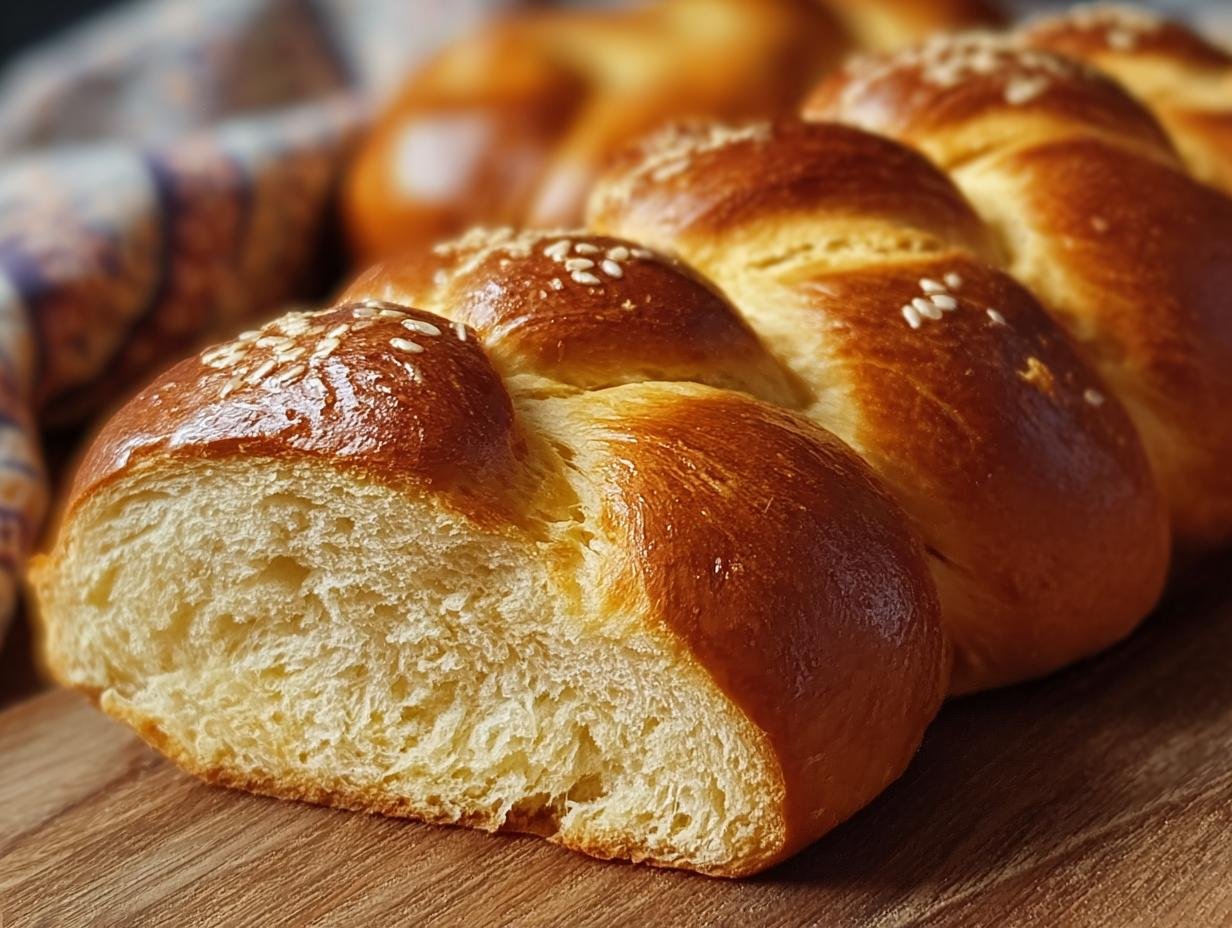
Polish Chalka has been a cherished part of my family’s traditions for as long as I can remember. The aroma of this slightly sweet, golden-crusted bread filling the kitchen on a Saturday morning always felt like a warm hug. It’s a beautiful, slightly sweet Polish challah bread that’s perfect for any occasion, from a simple breakfast to a special holiday meal. I’ve spent years perfecting my approach to this bread, and I’m so excited to share this authentic Polish challah recipe with you. It’s simpler than you might think, and the result is incredibly tender and delicious. Let’s get cooking!
What is Polish Chalka?
Polish Chalka, often called simply “Chałka,” is a beloved traditional bread that holds a special place in Polish culinary history. While it shares similarities with Jewish challah bread, especially in its braided appearance and rich dough, Polish challah has its own distinct character. The meaning of Polish challah often evokes feelings of comfort, family gatherings, and holiday celebrations. Unlike some very sweet challah variations, Polish challah tends to be subtly sweet, allowing the delicate flavor of the enriched dough to shine through. It’s a testament to the simple, hearty baking traditions found throughout Poland.
Why You’ll Love This Polish Chalka
You’re going to adore making and devouring this sweet Polish challah bread. It’s a recipe that truly delivers on all fronts:
- Incredible Taste: Enjoy a tender crumb and a beautifully golden, slightly sweet crust.
- Quick Prep: With just 25 minutes of active prep time, it’s surprisingly manageable for a homemade bread.
- Family Favorite: This sweet Polish challah bread is a guaranteed hit with kids and adults alike.
- Budget-Friendly: Made with common pantry staples, it’s an affordable way to enjoy artisanal bread.
- Versatile Delight: Perfect for breakfast, a snack, or even dessert – it’s that good!
- Easy to Make: The instructions are straightforward, making it accessible even for beginner bakers.
- Authentic Flavor: Experience a taste of tradition with this classic Polish recipe.
- Beautiful Presentation: The classic braid makes for a stunning centerpiece on any table.
Ingredients for Polish Chalka
Gathering these simple Polish challah ingredients is the first step toward creating your own homemade Polish challah. This recipe is designed to be straightforward, making the process of creating an easy Polish challah dough quite approachable for any home baker. The combination of ingredients ensures that characteristic soft texture and subtle sweetness that defines this bread.
- 4 cups all-purpose flour – plus more for dusting your work surface
- 2 1/4 teaspoons instant yeast – for a good rise
- 1 cup warm milk – crucial for activating the yeast and adding richness
- 1/4 cup granulated sugar – provides that hint of sweetness
- 1/4 cup softened butter – contributes to the tender crumb
- 2 large eggs – at room temperature for better incorporation
- 1 teaspoon salt – balances the sweetness and enhances flavor
- 1/4 cup warm water – used to bloom the yeast
- 1 egg yolk – for a beautiful golden egg wash
- Poppy seeds or streusel (optional) – for a lovely topping
How to Make Polish Chalka
Let’s dive into how to make Polish challah! This process is quite rewarding, and soon you’ll be enjoying your very own homemade Polish challah. Follow these steps for a perfect Polish braided bread recipe.
- Step 1: Activate the Yeast. In a large bowl, combine 1/4 cup warm water with 2 1/4 teaspoons instant yeast and 1/4 cup granulated sugar. Give it a gentle stir and let it sit for about 5–10 minutes. You’ll know it’s ready when it becomes foamy and bubbly – that means your yeast is alive and ready to work its magic!
- Step 2: Mix the Dough. To the foamy yeast mixture, add 1 cup warm milk, 2 large eggs (make sure they’re at room temperature!), 1/4 cup softened butter, and 1 teaspoon salt. Stir everything together. Now, gradually add 4 cups all-purpose flour, about a cup at a time, mixing until a soft, shaggy dough forms.
- Step 3: Knead and Rise. Transfer the dough to a lightly floured surface. Knead it for about 8–10 minutes. You’re aiming for a dough that’s smooth, elastic, and slightly tacky to the touch. It should feel wonderfully soft. Place the kneaded dough into a lightly greased bowl, cover it with a clean kitchen towel or plastic wrap, and let it rise in a warm place for 1 to 1.5 hours, or until it has doubled in size.
- Step 4: Shape the Braid. Once doubled, gently punch down the dough. Divide it into three or four equal pieces. Roll each piece into a long rope, about 12-15 inches long. Place the ropes side-by-side and begin braiding them together. Pinch the ends to seal. Carefully transfer your beautifully braided loaf to a baking sheet that’s been lined with parchment paper. Cover it loosely and let it rise again for another 30–45 minutes.
- Step 5: Bake to Golden Perfection. While the dough has its final rise, preheat your oven to 350°F (175°C). In a small bowl, whisk the 1 egg yolk with a tablespoon of water for the egg wash. Brush this generously over the top of the braided loaf. If you like, sprinkle with poppy seeds or streusel for extra texture and flavor.
- Step 6: Cool and Slice. Bake for 30–35 minutes, or until the loaf is a deep golden brown and sounds hollow when you tap the bottom. The aroma filling your kitchen will be incredible! Let the bread cool completely on a wire rack before slicing. This is crucial for the texture to set properly.

Pro Tips for the Best Polish Chalka
Achieving that perfect loaf of Polish Chalka is all about a few key techniques. These tips will help you nail the texture and flavor every time, ensuring your homemade Polish challah is truly exceptional.
- For the absolute best Polish challah, don’t skip the egg wash! Applying it twice, once before the final rise and again before baking, gives that signature deep golden, glossy crust.
- When braiding, keep the ropes relatively loose. This allows the dough to expand beautifully during the final rise and baking, creating a lighter, airier interior.
- Ensure your milk and water are warm (around 105-115°F or 40-46°C) but not hot. If they’re too hot, they can kill the yeast, and if they’re too cool, the yeast won’t activate properly.
- Don’t be tempted to add too much extra flour during kneading. The dough should be soft and slightly tacky. This is what gives Polish Chalka its signature tender crumb.
What’s the secret to perfect Polish Chalka?
The secret to a truly perfect Polish Chalka lies in the quality of the ingredients and the gentle handling of the dough. Using room temperature eggs and softened butter ensures they incorporate smoothly, contributing to the bread’s tender texture. This approach guarantees you the best Polish challah.
Can I make Polish Chalka ahead of time?
Yes, you absolutely can! You can prepare the dough, let it complete its first rise, and then refrigerate it overnight. Shape and bake it the next day. This makes morning baking much easier and still results in wonderful homemade Polish challah.
How do I avoid common mistakes with Polish Chalka?
A common mistake is using water that’s too hot, which kills the yeast. Always check the temperature. Another pitfall is adding too much flour, which makes the bread dense. Aim for a soft, slightly sticky dough for that characteristic tender crumb.
Best Ways to Serve Polish Chalka
This beautiful Polish Chalka is wonderfully versatile and tastes amazing served in so many ways. On its own, the subtle sweetness and soft texture are a delight. For a classic Polish breakfast experience, try pairing slices of this traditional Challah bread from Poland with a smear of good quality butter and your favorite fruit preserves, like strawberry or apricot. It also makes a fantastic base for French toast or even bread pudding. The slightly sweet dough complements both sweet and savory toppings beautifully, making it a true standout on any table.
Nutrition Facts for Polish Chalka
When enjoying a slice of this delicious Polish Chalka, here’s a general idea of what you can expect per serving. These figures help you understand the nutritional profile of this traditional bread.
- Serving Size: 1 slice (1/10th of loaf)
- Calories: 210
- Fat: N/A
- Saturated Fat: N/A
- Protein: N/A
- Carbohydrates: N/A
- Fiber: N/A
- Sugar: N/A
- Sodium: N/A
Nutritional values are estimates and may vary based on specific ingredients used and portion size.
How to Store and Reheat Polish Chalka
Properly storing your homemade Polish challah ensures it stays fresh and delicious. After your beautiful loaf has completely cooled on a wire rack, you’ll want to store it correctly. For enjoying it within 3-4 days, simply wrap it tightly in plastic wrap or place it in an airtight container at room temperature. If you’ve made extra and want to save some for later, freezing is an excellent option for this Polish challah bread. Wrap individual slices or the whole loaf securely in plastic wrap, then in aluminum foil or a freezer bag, and it will keep well for up to 3 months.
When you’re ready to enjoy your frozen Polish Chalka, the best way to reheat is to thaw it overnight in the refrigerator. Then, you can gently warm slices in a toaster, toaster oven, or a low oven (around 300°F or 150°C) for a few minutes until warmed through. This method brings back that wonderful fresh-baked aroma and soft texture.
Frequently Asked Questions About Polish Chalka
What is the difference between Polish Chalka and Jewish challah?
While they share a common heritage and often look similar, Polish Chalka and Jewish challah can have subtle differences. The primary distinction often lies in the sweetness and enrichment of the dough. Some Polish challah recipes might include a bit more sugar or butter, leading to a slightly sweeter and richer bread. However, the lines can blur, and many recipes overlap significantly. It’s more about regional variations and family traditions than a strict definition. For more on baking traditions, you might find information on culinary heritage interesting.
Is Polish Chalka the same as challah?
Essentially, yes, Polish Chalka is a type of challah bread, but it carries its own unique Polish identity. Think of it like different regional dialects of the same language. Both are enriched, often braided breads, but the specific ingredients and proportions can vary, giving each its own subtle flavor and texture profile. So, while it’s a form of challah, it’s also distinctly Polish challah.
Can I make a savory Polish Chalka?
Absolutely! While this recipe focuses on a slightly sweet version, you can easily adapt it for savory flavors. Consider adding herbs like rosemary or thyme, a pinch of garlic powder, or even some grated cheese into the dough. You could also top it with sesame seeds or coarse salt instead of poppy seeds. This flexibility is part of what makes Polish Chalka so wonderful. For inspiration on savory additions, you might explore garlic or herb-infused recipes.
Where can I buy authentic Polish Chalka?
Finding authentic Polish Chalka can sometimes be a treasure hunt! Your best bet is usually to look for specialty European or Polish bakeries in your area. Sometimes, larger supermarkets with a good international foods section might carry it, especially around holiday seasons. However, for the most authentic and perfectly tailored experience, making your own homemade Polish challah is incredibly rewarding!
Variations of Polish Chalka You Can Try
Once you’ve mastered the basic Polish Chalka, you’ll discover that this versatile bread lends itself beautifully to all sorts of delicious adaptations. Exploring these variations is a fun way to personalize your baking and discover new favorite flavors. These savory Polish challah variations offer a delightful departure from the traditional sweet profile.
- Herb and Cheese Chalka: For a savory twist, knead in fresh chopped herbs like rosemary, thyme, or chives, along with a handful of grated Parmesan or cheddar cheese into the dough before the first rise.
- Cinnamon Swirl Chalka: After the first rise, roll out the dough, spread it with softened butter mixed with cinnamon and sugar, then roll it up tightly before braiding. This creates beautiful swirls of flavor within your loaf.
- Rosh Hashanah Apple Chalka: Celebrate the Jewish New Year with a festive twist. Incorporate finely diced apples and a pinch of cinnamon into the dough. This makes a wonderful Polish challah for Rosh Hashanah, symbolizing sweetness and a good year ahead.
- Whole Wheat Chalka: For a healthier option, substitute up to half of the all-purpose flour with whole wheat flour. You might need a touch more liquid, so add it gradually until the dough reaches the right consistency.
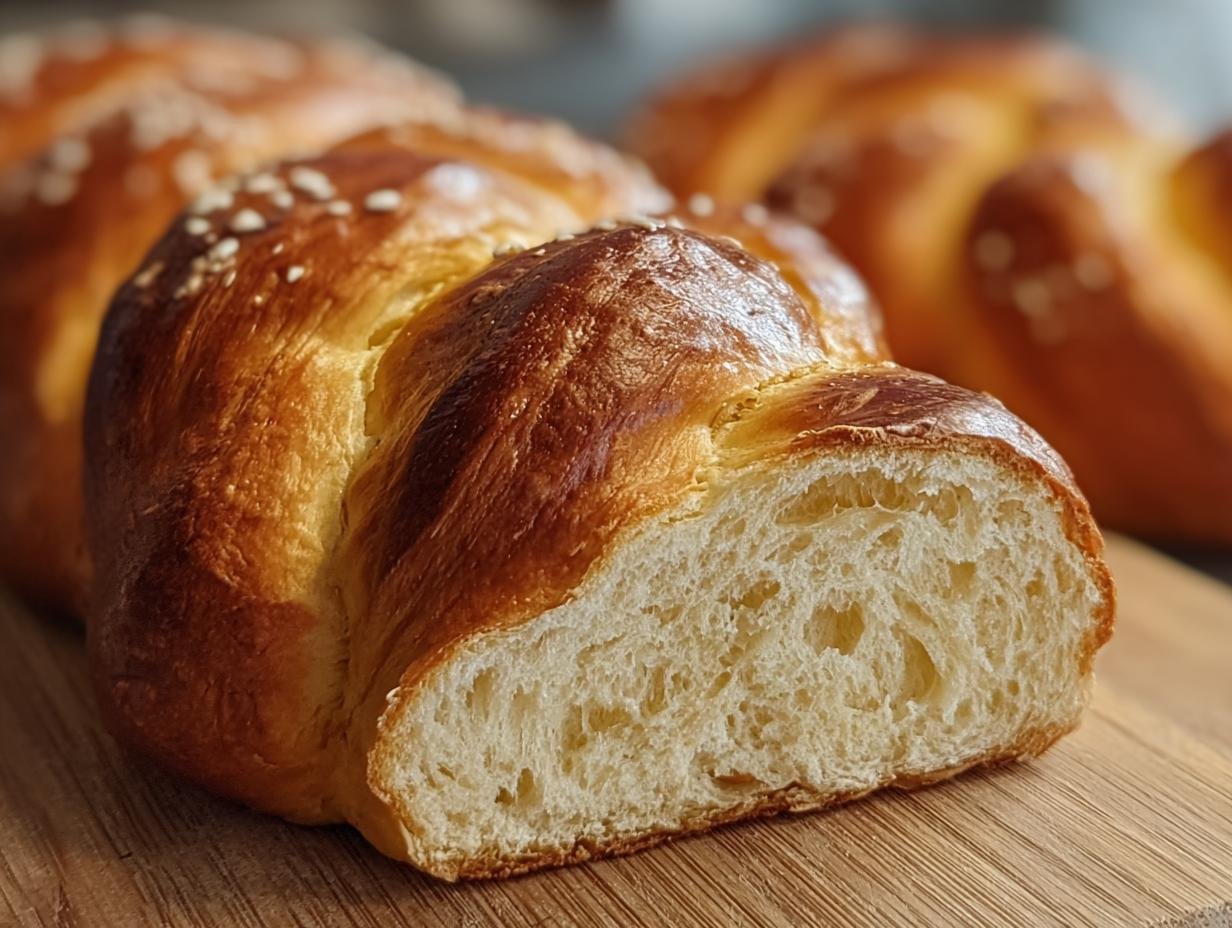
Polish Chalka: Amazing 1-Hour Sweet Bread
A soft, slightly sweet braided bread with a golden crust, Polish Chałka is a traditional loaf perfect for breakfast, brunch, or dessert. Made with simple ingredients, it’s tender, rich, and stunning on any table.
- Prep Time: 25 minutes
- Cook Time: 35 minutes
- Total Time: 2 hours 30 minutes
- Yield: 1 loaf
- Category: Bread
- Method: Baking
- Cuisine: Polish
- Diet: Vegetarian
Ingredients
- All-Purpose Flour: 4 cups
- Instant Yeast: 2 1/4 teaspoons
- Warm Milk: 1 cup
- Granulated Sugar: 1/4 cup
- Butter (softened): 1/4 cup
- Eggs: 2 large
- Salt: 1 teaspoon
- Warm Water: 1/4 cup
- Egg Yolk (for egg wash): 1
- Poppy Seeds or Streusel (optional): for topping
Instructions
- Preheat Your Equipment: No need to preheat the oven yet, but prep a clean workspace and line a baking sheet with parchment.
- Combine Ingredients: In a large bowl, mix warm water, yeast, and sugar. Let sit until foamy, about 5–10 minutes. Add warm milk, eggs, softened butter, and salt. Stir in flour one cup at a time until a soft dough forms.
- Prepare Your Cooking Vessel: Transfer dough to a floured surface and knead for 8–10 minutes until smooth and elastic. Place in a greased bowl, cover, and let rise in a warm place for 1–1.5 hours or until doubled in size.
- Assemble the Dish: Punch down the dough and divide into three or four equal parts. Roll each into ropes. Braid loosely, then transfer to a parchment-lined baking sheet. Cover and let rise another 30–45 minutes.
- Cook to Perfection: Preheat oven to 350°F (175°C). Brush the loaf with beaten egg yolk and sprinkle with poppy seeds or streusel if using.
- Finishing Touches: Bake for 30–35 minutes until golden brown and hollow-sounding when tapped on the bottom. Cool on a wire rack before slicing.
- Serve and Enjoy: Serve slightly warm with butter and jam, or use slices for French toast the next day.
Notes
- Use lukewarm liquids to avoid killing the yeast.
- Don’t add too much flour — the dough should be soft and slightly tacky.
- Oil your hands to make braiding smoother.
- Brush with egg wash twice for extra shine and color.
Nutrition
- Serving Size: 1 slice (1/10th of loaf)
- Calories: 210
- Sugar: N/A
- Sodium: N/A
- Fat: N/A
- Saturated Fat: N/A
- Unsaturated Fat: N/A
- Trans Fat: N/A
- Carbohydrates: N/A
- Fiber: N/A
- Protein: N/A
- Cholesterol: N/A


Leave a Reply